
Auction 21 · Lot 170
MENASSEH BEN ISRAEL
- Estimate
- $1,000–$1,500
- Hammer price
- Not recorded
Historical auction record. Hammer prices exclude buyer’s premium and taxes.
printer
By the Author
Place
Amsterdam
Publication
1639
Description
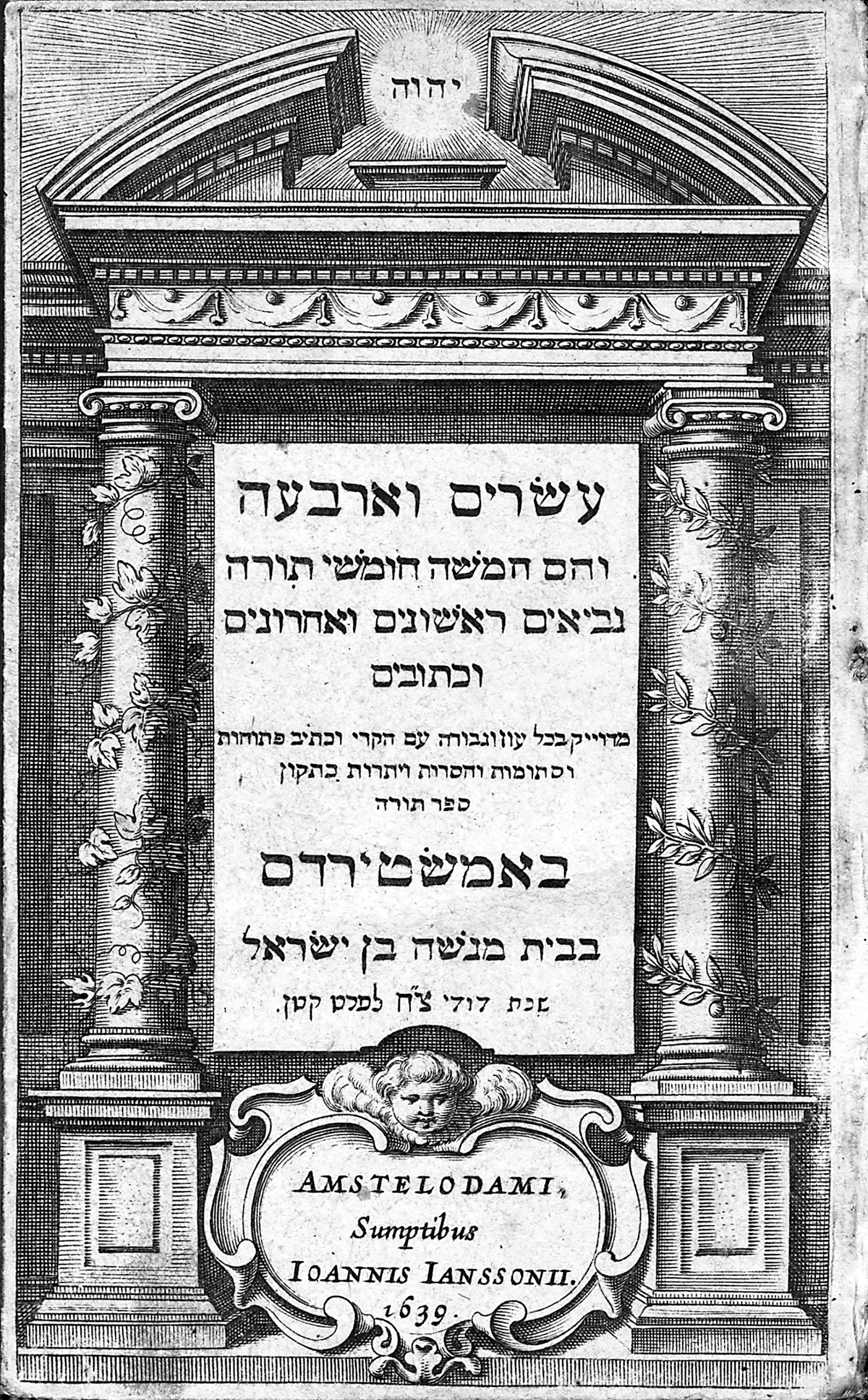
Tzeror Hachaim. De Termino Vitae. pp.(16), 237,(50). Title within wreathed columns. Title torn and signature of owner cropped from lower margin. Light stains * Bound together with: Muller, Philip. Miracula, Chymica et Misteria Medica (1611), pp. (24), 189. Contains figures of retorts and other instruments likely to be found in a chemistry laboratory. Few pages have been expertly repaired
references
Coppenhagen, Menasseh 211; Silva Rosa 35
summary
A discussion whether death is brought on by natural causes or divinely ordained. The Dutch intellectual Jan van Beverwyck had opened the discussion in his work Epistolica Quaestio de Vitae Termino, fatali an mobili (Dordrecht, 1634). Our own work, Menasseh's response, argues, based on Jewish sources, that the span of life is not predetermined by the Deity but depends on constitutional, temperamental, and climatic influences. The book concludes with Carmen Intellectuale, a panegyric in honor of Menasseh by Jacob Rosales of Hamburg. “Of all Menasseh’s Latin works, this was the most successful.” Cecil Roth, A Life of Menasseh ben Israel (Philadelphia,1945), p. 95.
As for the second work, the non-Jewish author, Philip Muller, would seem to have been influenced by the Kabbalah. Patai writes: “This reliance on the Kabbalah being the general trend of sixteenth- to eighteenth century alchemy, it was inevitable that Hebrew words should be found frequently in the texts, notably in those of Bang, Muller, Maulius, Sallwigt, and Wienner” (R. Patai, The Jewish Alchemists [Princeton, 1994], p. 158).
Contemporary vellum. 12mo.
Enquire about this lot